TRX4M Beginner Mods: The First Changes Worth Making
The TRX4M is a solid crawler out of the box, but two simple upgrades make a real difference on outdoor terrain. Here's where to start and why.
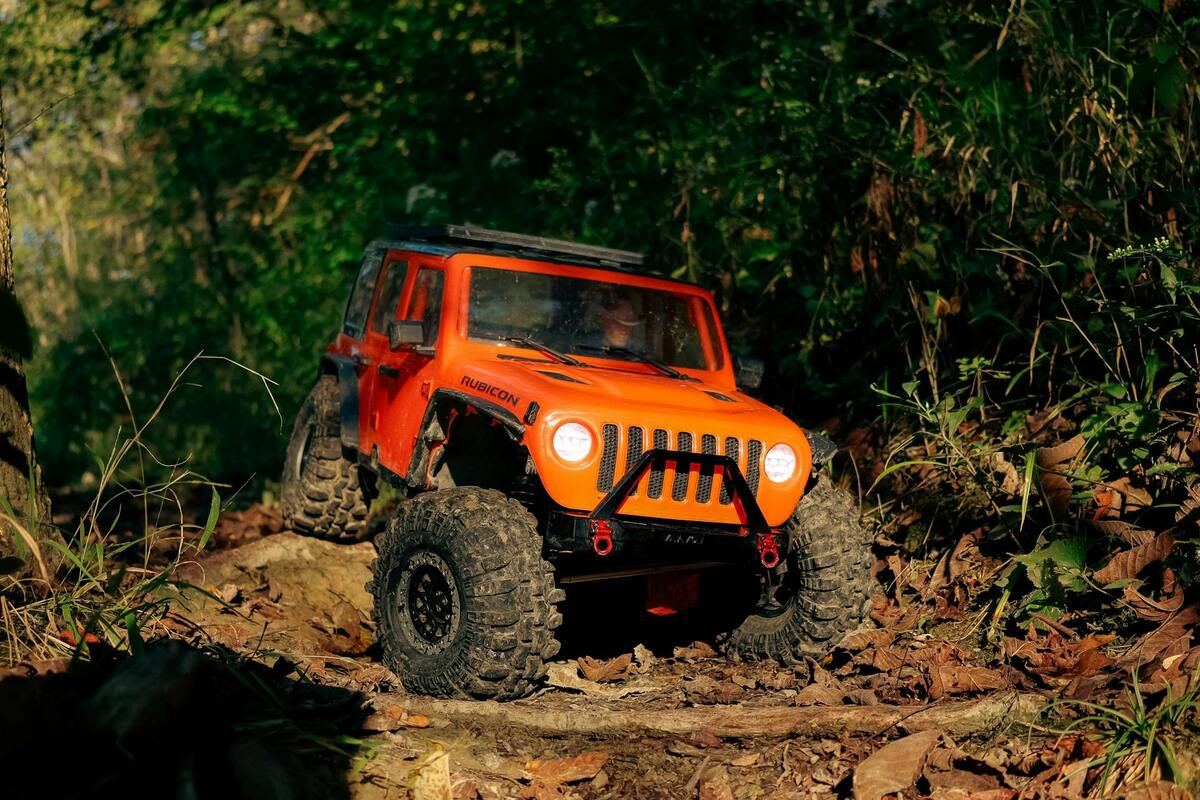
The TRX4M was already a better outdoor crawler than most people expect when they first pick it up. The portal axle design gives it more ground clearance than a standard axle truck at the same scale. The Traxxas build quality is solid right out of the box. If you run it on moderate trail terrain and don’t push it hard, it’ll hold together for a long time without touching anything.
But there are two mods that make an immediate, obvious difference on real outdoor terrain, and neither requires any electronics work, soldering, or mechanical experience beyond basic hand tools. If you’re a few weeks into owning your TRX4M and starting to notice its limits, or if you just want to make the most of what you have before going deeper into the upgrade rabbit hole, these are the two places to start.
Why the TRX4M Responds Well to Mods
The TRX4M is a scale-appearance crawler, which means it’s designed to look like a real truck at the expense of some performance factors. The body is tall and upright. The center of gravity sits higher than a competition-style rig. The stock tires are correct for the scale appearance but optimized for looks, not grip.
That’s not a knock on the truck; it’s what it is, and it looks great for it. But those same design priorities mean the truck has specific weaknesses that targeted mods address really well. Lower the CG and it handles angles better. Improve tire traction and it climbs better. You can do both for under $50 combined, and the results are real.
Mod 1: Brass Portal Covers
The TRX4M’s portal axle housings are one of its defining features. They’re what gives the truck extra ground clearance compared to a standard axle design; the portal gearing at each wheel moves the axle shaft above the wheel centerline, which means the lowest point of the axle is higher off the ground.
The stock portal covers are plastic. They work fine, but they’re also the lightest part of the outer axle assembly. Swapping them for brass does two things: it adds weight low and outboard on the truck (lowering the center of gravity and improving stability on tilted terrain), and it adds durability to one of the highest-wear contact points on the rig.
A portal cover is one of the first things that gets dragged across rocks as the truck crawls. Brass holds up to that contact better than plastic, and the weight is where you want it.
Traxxas-branded brass portal covers are available directly and are a guaranteed fit; no guessing on dimensions. They’re the safe choice if you prefer to stay within the Traxxas ecosystem.
Third-party options from Injora and GPM run at lower price points and fit the same mounting points. The community feedback on both is generally positive. If you’re budget-conscious, the Injora set is worth considering.
The install is about 20 minutes. You remove the wheel, pull the stock portal cover screws, swap in the brass covers, and put the wheel back on. No wiring, no programming, no special skills. The difference in how the truck feels on off-camber terrain is noticeable within the first session.
This is the first thing I’d do to any TRX4M coming out of the box.
Mod 2: Tire Upgrade
The stock TRX4M tires are designed to match the scale appearance of whatever truck body the rig wears (Bronco, Land Rover, Mercedes, etc.). They look proportional and correct. They’re also not crawling tires in any serious sense. The tread pattern is relatively shallow, the compound is on the harder side, and the contact patch is small.
On smooth pavement or compact dirt, stock tires work fine. Get into actual trail terrain (loose gravel, roots, damp ground, rocks) and the tires become the limiting factor well before anything else on the truck does.
The TRX4M uses 1.0-inch wheels with a 7mm hex hub, which is a standard size with decent aftermarket support. There are good options.
Pro-Line 1.0” Hyrax tires are the most commonly recommended upgrade for trail use. Pro-Line makes a 1.0” Hyrax that fits the stock TRX4M wheels, has aggressive enough tread to bite on loose terrain, and holds up well over time. If you’re running primarily dirt and rocks, this is a reliable choice.
BFGoodrich Mud Terrain tires from Pro-Line are worth looking at if you spend more time on loose dirt and mud than hard rock. The more open tread pattern clears debris better in soft terrain. The Hyrax is the better all-rounder for mixed surfaces.
Injora 1.0” crawler tires are a budget-friendly alternative that the community has run on TRX4M builds. Lower cost per pair, and the performance gap versus Pro-Line is narrower than the price gap.
One thing to check: foam inserts. The foam inside the tire acts as a soft suspension assist on rough ground. Stock inserts are typically firm. Running softer foam (or trimming some material out of the stock insert) lets the tire conform to terrain better on rocky surfaces. It’s a small detail but worth knowing about; if your upgraded tires still feel a bit rigid on rocks, the foam is the next variable to look at.
These Two Together
Brass portal covers and a tire upgrade are natural partners. The brass weight drops the CG and stabilizes the truck on angles. The tires improve grip and contact on the terrain itself. Together they address both sides of the equation: the truck’s center of gravity and its connection to the ground.
If you do both in one session, do the brass first. It’s the heavier investment in terms of the physical change to the truck, and doing it while the tires are off anyway saves you from handling the wheels twice.
What to Hold Off On
There are a lot of places the TRX4M upgrade path can take you: motor swaps, servo upgrades, body mods, suspension tuning. Some of those are meaningful improvements. Some are diminishing returns at the beginner level.
The motor and ESC are worth leaving alone until you’ve run the stock setup long enough to genuinely feel what it lacks. The TRX4M’s stock drivetrain is capable for trail crawling. A brushless conversion is a project, not a simple mod, and a beginner who hasn’t built trail-reading instincts yet won’t get much out of it.
The servo is worth upgrading eventually (the stock unit is not the strongest), but it’s a lower priority than brass and tires. Once you’ve done those two and run the truck, you’ll have a better sense of whether the steering feels like the weak link. If it does, the first 5 upgrades guide covers the servo in detail along with the right order to tackle the rest of the upgrade path.
Recommended Gear
What you’ll need for both mods:
- Brass portal covers: Injora brass portal covers for TRX4M: good fit, lower cost than Traxxas-branded
- Tires: Pro-Line 1.0” Hyrax: the reliable all-terrain choice for trail use
- Tools: A 7mm socket for the wheel nuts and the appropriate hex driver set for the portal cover screws. If you don’t have a good set yet, the essential tools guide covers what’s worth buying.
Total spend for both mods: roughly $30-50 depending on which brass option you choose and where you buy tires. The truck you get out the other side handles outdoor trail terrain noticeably better than stock.
Once the hardware is dialed in, the next variable is learning to read terrain and pick good lines before you drive them. The how-to-read-terrain guide covers what to look for before your wheels ever touch an obstacle; it’s the free upgrade that makes the hardware work harder.
See also: Best TRX4M Upgrades · Your First 5 Crawler Upgrades · TRX4M Platform Guide · TRX4M Motor Upgrade · Crawler Tires by Terrain · Essential Tools · SCX24 vs TRX4M · Cleaning and Maintenance
This page contains affiliate links. If you purchase through these links, I may earn a small commission at no additional cost to you. I only recommend gear I actually use.
Ready to buy?
See my curated gear picks for this platform and others — organized by upgrade priority.
Browse Recommended Gear →