Best SCX10 III Upgrades (And the Order I'd Do Them In)
The Axial SCX10 III upgrade path, ranked by trail impact: servo, tires, skid plates, and where a brushless conversion actually pays off.
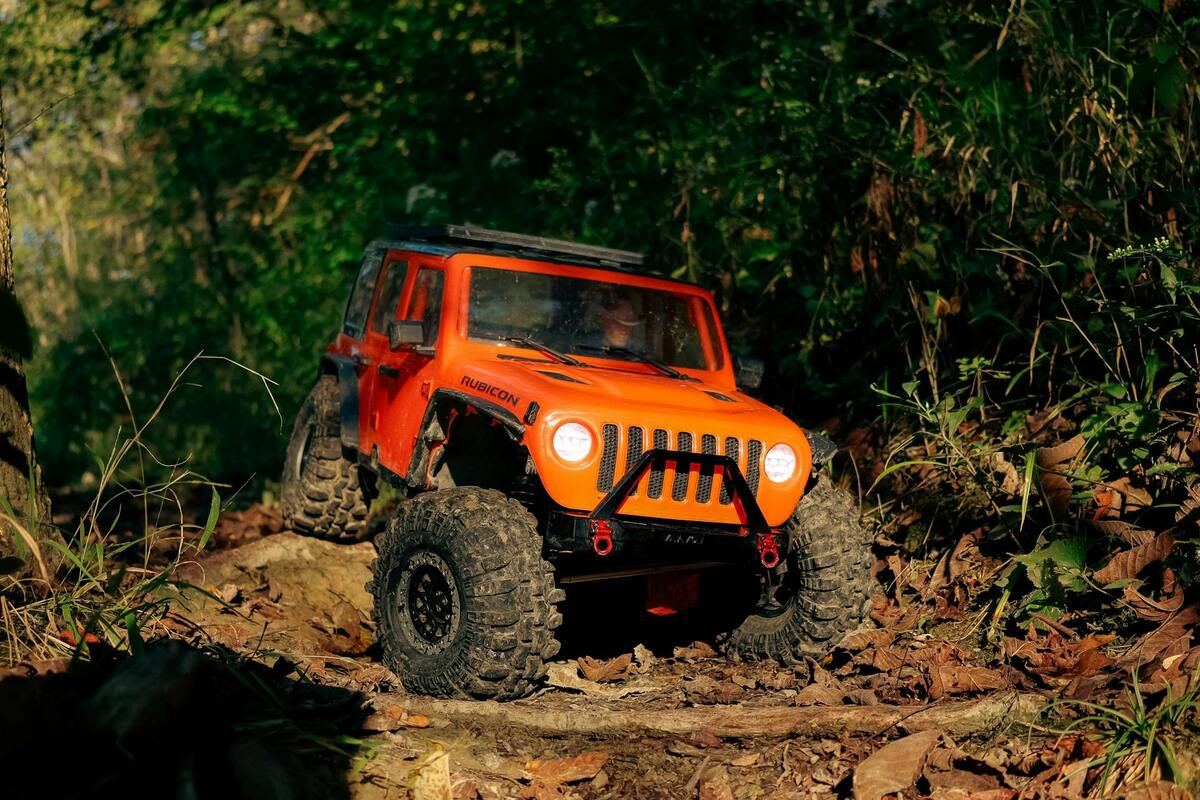
The SCX10 III doesn’t need much to run well out of the box. That’s part of why people step up to it in the first place. But once you’ve spent a few sessions on real outdoor terrain, you start noticing exactly where the stock parts run out of room, and it’s not subtle at 1/10 scale the way it can be on a micro crawler.
I went through this upgrade path on my own SCX10 III after a season of mostly stock running, and the order I did things in wasn’t the order I expected going in. Some things I thought would matter a lot turned out to be minor. A couple of the “boring” upgrades mattered more than anything else on the list. Here’s the breakdown, ranked by what actually changes how the truck performs, not by what looks good in a parts bin photo.
Why the SCX10 III Upgrade Path Is Different
If you’re coming from an SCX24 or TRX4M, don’t assume the same upgrade logic carries over one to one. Micro crawlers are light enough that small changes (a few grams of brass, a softer foam) produce outsized results. The SCX10 III is a heavier, longer, more mechanically serious platform, and it responds more to fixing real weak points than to chasing marginal gains.
It’s also a more expensive path. Parts for a 1/10 scale rig cost more than their micro equivalents across the board, and the aftermarket leans toward serious hop-ups rather than budget bolt-ons. Go in expecting to spend real money if you want to do the whole list, and know that you can stop after one or two items and still feel the difference.
1. Servo
Impact: High
This is where I’d start, and it’s not close. The stock servo on most SCX10 III RTR builds is a real step up from what ships on a micro crawler, but 1/10 scale terrain loads the steering harder than micro terrain does. Push into a technical rock section or hold a line on an off-camber climb and you’ll feel the stock servo start to give under load, especially with bigger tires already mounted.
A quality metal-gear crawler servo in the 20-25kg/cm range fixes this directly. More torque means the front wheels hold their line under load instead of getting pushed off course by the terrain, and steering response stays consistent instead of getting mushy right when you need precision most. Look for a 1/10-scale-rated metal-gear servo from a reputable crawling brand (Savox, Hobbywing, and Reefs all make well-regarded options); it’s the single biggest stock-to-upgraded jump on this whole list.
Install difficulty: Moderate. You’ll need to match the servo horn and possibly the servo saver, and reprogram your ESC or transmitter if the new servo pulls more current than the stock one.
2. Tires and Foam
Impact: High
Second on the list, and arguably tied for first depending on the terrain you actually run. The stock tires on an SCX10 III RTR are functional, not exceptional, and the 1.9” tire market is deep enough that upgrading is close to a free win once you know what to look for.
Pro-Line Hyrax 1.9” in a soft compound is a proven all-around trail tire that grips rock and root terrain well without being twitchy on flatter ground. BFGoodrich Krawler T/A is a strong alternative if you’re running more mixed terrain. The tire guide by terrain covers which compound and tread pattern actually match your local trail, which matters more here than brand preference.
Foam inserts matter as much as the tire itself at this scale. Soft, open-cell foam improves terrain conformance noticeably; the firm foam a lot of stock tires ship with limits what the tire can actually do on uneven rock.
Install difficulty: Easy. Standard glue-and-mount job, no special tools beyond a hobby knife and CA glue.
3. Skid Plates and Chassis Protection
Impact: Medium-High
This one surprised me. I expected it to be a minor “nice to have” and it turned out to matter more than I planned for, mostly because it changes how confidently you can drive. Once the electronics and chassis rails are actually protected, you stop flinching before committing to a rock line, and that changes your driving more than any part swap does.
An aluminum or steel skid plate protects the chassis rails, the ESC, and the receiver from direct rock strikes, which happen more often at 1/10 scale than most people expect coming from a lighter micro rig. Some crawlers pair this with a brass or aluminum front bumper, both for protection and for a small, useful weight shift forward. Search your local hobby shop or RC4WD and Hot Racing’s SCX10 III lineups for a chassis armor kit that matches your specific trim; fitment varies enough between SCX10 III body versions that it’s worth checking compatibility before buying.
Install difficulty: Easy to moderate, depending on the kit. Most bolt on with the stock hardware pattern.
4. Shocks and Springs
Impact: Medium
The stock shocks on the SCX10 III are adequate, not great. They’re valved for general use rather than technical crawling, which means the truck can feel either too stiff on small terrain or too soft to control on bigger hits, depending on what you’re running.
Oil-filled aluminum shocks with adjustable spring preload let you tune the truck for your actual terrain instead of living with a factory compromise. This is a genuinely “your mileage will vary” upgrade; a full shock and suspension tuning pass, even on stock shocks, gets you part of the way there for free before you spend anything. Do that first, and only upgrade the shocks themselves if you’re still hitting a wall.
Install difficulty: Moderate. Straightforward bolt-in, but plan on some trial and error with oil weight and spring rate to dial in the feel you want.
5. Brushless Conversion (Optional, Not Required)
Impact: High, but situational
I’m putting this last on purpose, not because it doesn’t matter, but because it’s the upgrade most likely to get bought before it’s actually needed. The stock brushed motor on most SCX10 III RTR builds is genuinely fine for general trail use, and plenty of experienced crawlers run brushed on purpose because the power delivery is slower and easier to control on technical terrain.
Where brushless earns its keep is torque headroom on steep climbs and better efficiency on long trail days, especially if you’re already running 3S. If you’re coming from a micro crawler and wondering whether now’s the time, the brushless question walks through the tradeoffs in more detail, and most of that reasoning applies here too.
Install difficulty: Advanced. New motor, ESC, and typically a pinion/spur regear. Budget real time for this one, and don’t start here if you haven’t done the servo and tire upgrades first; you’ll get more truck for your first dollar spent elsewhere.
What to Buy
If you’re working through this list in order and want the short version:
- Servo: A 1/10-scale-rated metal-gear crawler servo, 20-25kg/cm or higher (Savox and Hobbywing are solid starting points)
- Tires: Pro-Line Hyrax 1.9” soft compound (linked above) or BFGoodrich Krawler T/A, whichever matches your terrain per the tire guide
- Protection: An aluminum or steel skid plate and chassis armor kit sized for your specific SCX10 III trim
- Suspension: Oil-filled aluminum shocks with adjustable spring preload, once you’ve dialed in what stock shocks and springs can do first
- Battery: A 5000mAh 3S pack if you’re not already running one; see the LiPo care and storage guide before you buy or charge your first pack. A full afternoon on the trail will drain a smaller pack faster than you’d expect at this scale.
You don’t need all of this at once, and you definitely don’t need it in a single order I dictate for you. But if you’re deciding where to spend the next $50 or $100, servo first, tires second, protection third. That sequence gets you the most truck for the least money before you start chasing the more expensive upgrades further down the list. And if something breaks on the trail before you’ve upgraded anything, the field repair basics guide covers what to actually carry with you.
See also: Axial SCX10 III Platform Guide · Crawler Tires by Terrain · Shock and Suspension Tuning · LiPo Battery Care and Storage · Field Repair Basics · The Brushless Question · Do You Actually Need a Bigger Crawler? · Recommended Gear
This page contains affiliate links. If you purchase through these links, I may earn a small commission at no additional cost to you. I only recommend gear I actually use.
Ready to buy?
See my curated gear picks for this platform and others — organized by upgrade priority.
Browse Recommended Gear →