The First Thing You'll Break
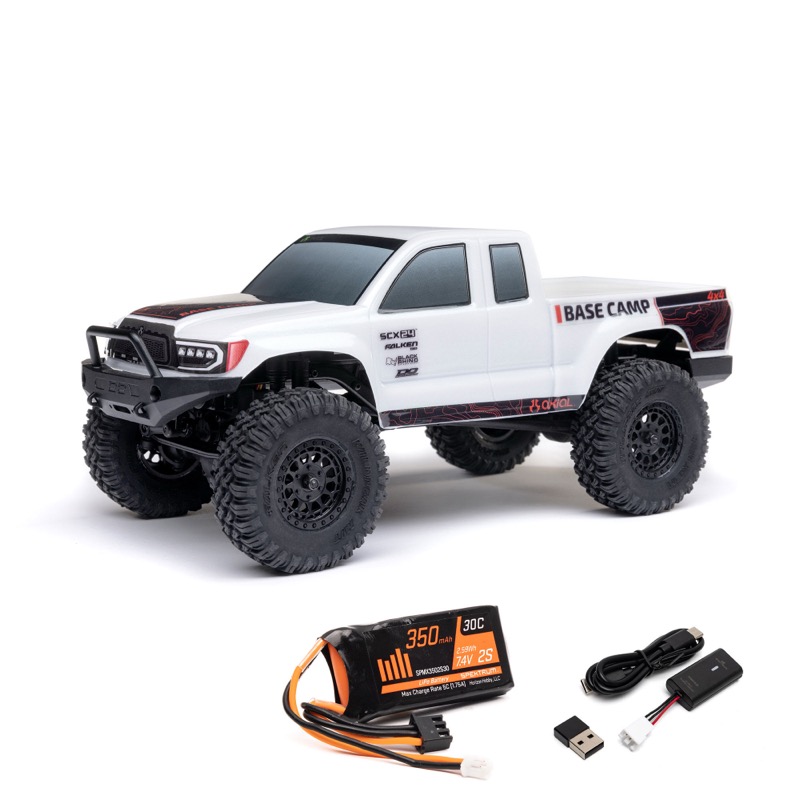
I was maybe three weeks into owning my SCX24 when I heard the sound. A dry little snap, barely louder than a twig breaking. I flipped the truck over and one of the front steering links was hanging at an angle that steering links are not supposed to hang at. My stomach dropped like I’d just backed into someone’s car in a parking lot.
It was a two-dollar part. I didn’t know that yet.
It’s Going to Happen
If you’re new to this hobby and you haven’t broken anything yet, you will. Not because you’re bad at it, but because that’s how small crawlers work. These rigs are designed to go places that stress them. Rocks catch links. Drops stress shock towers. Side loads on a steep camber bend things that were meant to stay straight. The parts are small and the forces are real.
The SCX24 and TRX4M are both tough for what they are, but “tough for what they are” still means plastic parts running into rocks repeatedly. Something gives eventually. That’s normal. That’s the hobby working as intended.
The first break feels like you did something wrong. You didn’t. You were driving, and driving is the point.
What Usually Goes First
On the SCX24, it’s almost always a steering link or a shock mount. The stock links are thin and they take side loads every time the wheels are at full lock against an obstacle. One sharp impact at the wrong angle and they’re done. Shock mounts are a close second, especially if you’re crawling anything with drops where the suspension gets loaded up hard on landing.
On the TRX4M, the front knuckles and tie rods tend to go first. The geometry puts stress in slightly different places, but the story is the same. Small plastic part meets big rock. Rock wins.
None of these are expensive. Most replacement parts are a few dollars. The real cost is the fifteen minutes of mild panic before you realize that.
The Part Where You Learn Something
Here’s what I didn’t expect: fixing the break taught me more about my crawler than any amount of driving had up to that point. I had to take the front end apart, figure out what connected to what, look at the steering geometry and understand how the links actually moved.
Before the break, the crawler was a sealed box that I pointed at rocks. After the break, it was a machine I understood. I could name the parts. I had opinions about hex driver sizes.
That’s also when upgrades started making sense. Not because I was chasing performance, but because I was holding the broken stock part in one hand and looking at the aluminum replacement online and thinking: that wouldn’t have snapped. If you’re at the point where stock links keep failing, the first five upgrades guide covers what’s actually worth replacing and in what order.
Don’t Baby It
The worst thing you can do with a new crawler is drive it like you’re afraid of it. I did this for the first week. I picked easy lines. I avoided anything that looked like it might scratch the body. I treated it like a display model that happened to have wheels.
That’s boring, and it doesn’t teach you anything.
These crawlers are meant to be run hard. Bodies are replaceable. Parts are cheap. The thing that’s actually valuable is your understanding of how the truck moves across terrain, and you only build that by pushing it into situations where failure is possible.
When something breaks, you fix it. You learn the truck a little better. You probably upgrade the part that failed because now you know exactly why it failed. Then you go back out and push a little harder. That cycle - drive, break, learn, fix, repeat - is not a flaw in the hobby. It is the hobby.
If you need to stock up on the basics before your first repair, the essential tools guide covers exactly what to keep in your bag. A set of hex drivers, some spare screws, and twenty minutes of patience will handle almost anything that breaks at this level.
The Break Is the Beginning
My crawler has been through four or five parts replacements at this point. Every one of them made it a little more mine. The stock truck that came out of the box was fine. The truck I’m running now is better, and I know exactly why, because every change started with something that broke and a question about how to fix it.
So when it happens to you, and it will, don’t sweat it. Flip the truck over, find the broken part, and order the replacement. You just crossed over from someone who owns a crawler to someone who works on one.
That’s a better place to be.
See also: First 5 Upgrades · Essential Tools · Cleaning and Maintenance Guide
This page contains affiliate links. If you purchase through these links, I may earn a small commission at no additional cost to you. I only recommend gear I actually use.
Looking for specific gear?
Browse my curated picks organized by platform and category.
See Recommended Gear →